2026
News list
-

Mountain disasters like Nepal's Rasuwa catastrophe demand a new way of assessing risk
An avalanche and flood that killed thousands in Nepal's Rasuwa district on 26 August shows that current approaches to mountain risk assessment have failed, argue the authors of a commentary in Nature. They propose replacing single-method, history-based analysis with a complementary set of approaches that capture cascading hazards – from storyline approaches to risk-network mapping.
-
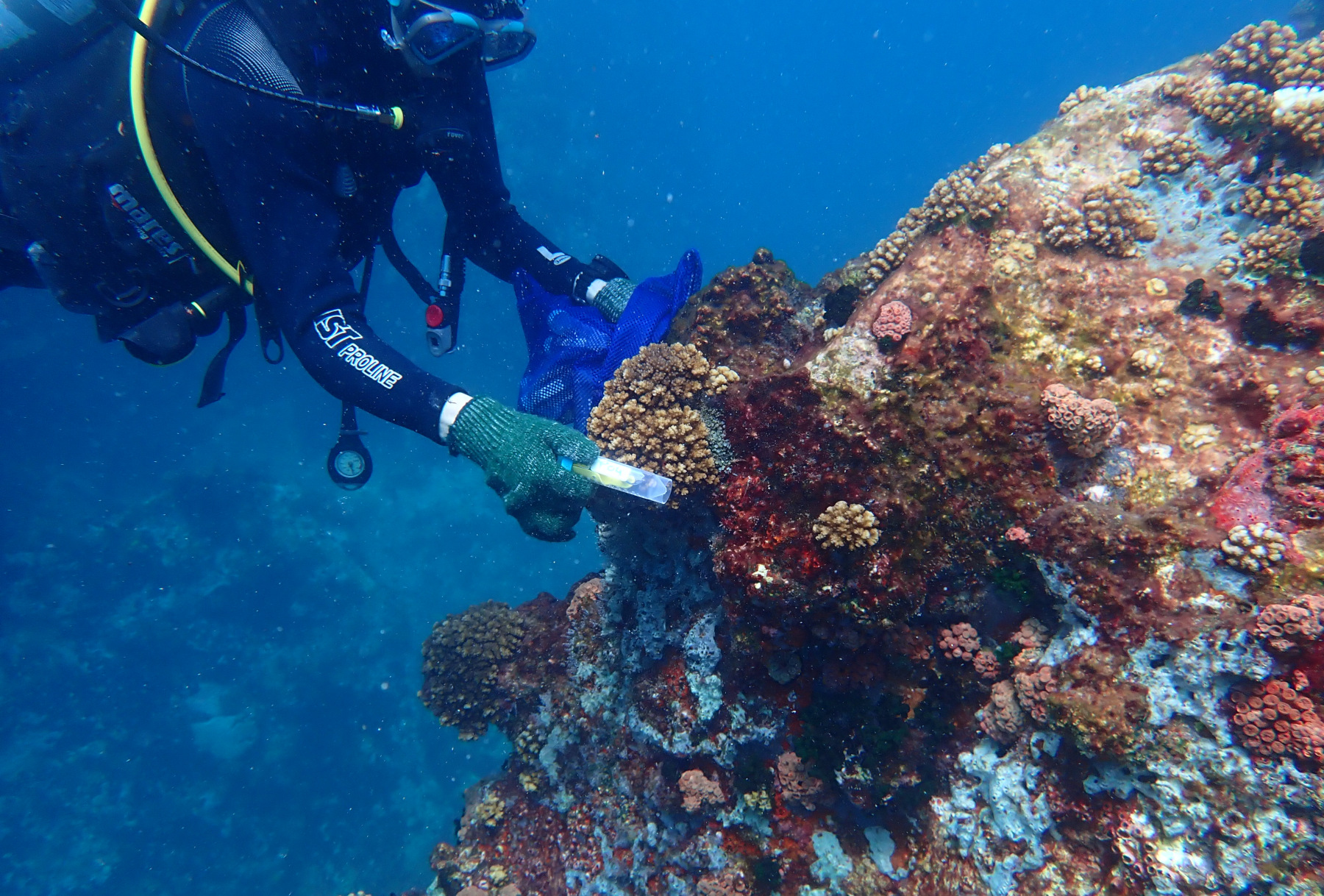
Satellites and genomics to support coral reef conservation in the warming Indian Ocean
Tropical coral reefs are hotspots of biodiversity, but they are suffering severe degradation due to anomalous heatwaves. A recent study combined satellite observation of ocean conditions with genomic analyses of reef-building corals in the Western Indian Ocean region. This analysis pinpointed reefs likely to host heat-tolerant corals, and mapped their natural larval dispersal via sea currents across more than 1,000 km of open ocean.
-

Climate change in mountains has far-reaching impacts downstream
Mountains are the world’s “water towers” and disproportionally affected by climate change. Substantial research focuses on snow and glacier changes within mountains. A comprehensive perspective published in Nature Climate Change now highlights the cascading downstream effects on water supply, ecosystems and human activities – and shows that decisions and pressures downstream can feed back to influence mountain hydrology.
-
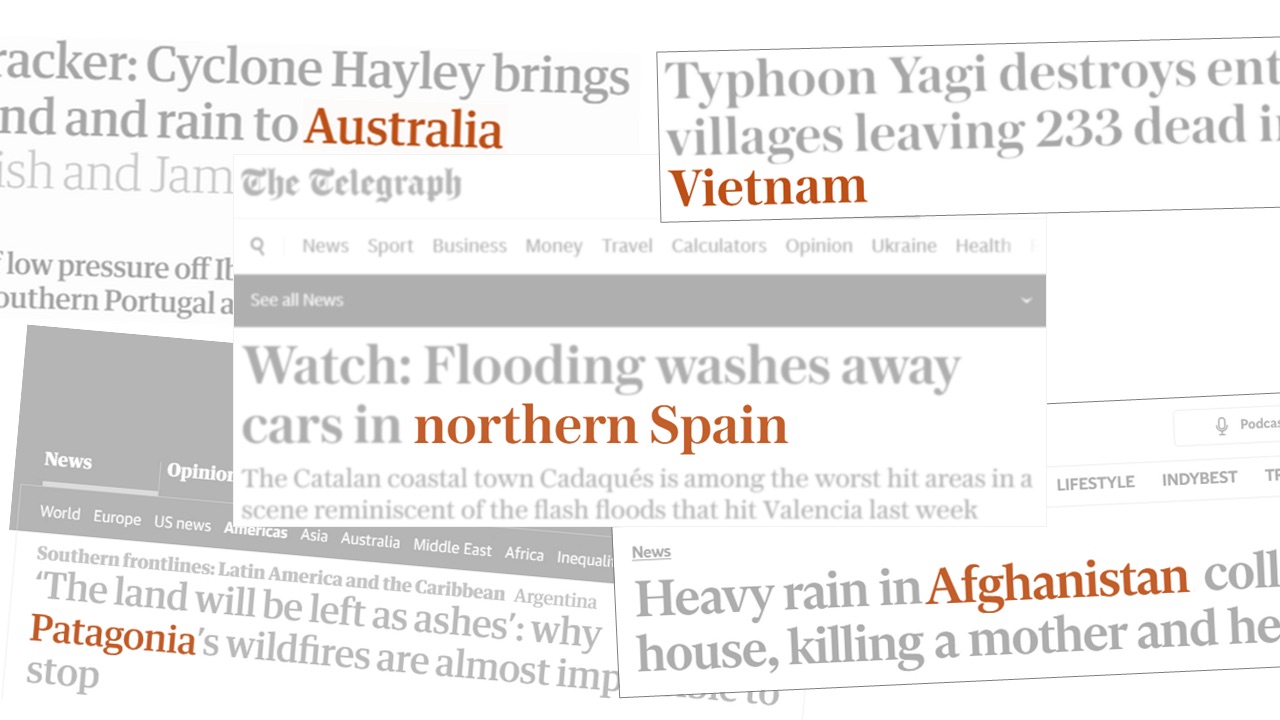
The hidden geography of climate news: media reporting correlates with wealth more than disaster events
Climate change and its impacts are global pressing issues, but not all climate disasters receive equal attention in the media. A recent study systematically analyzes reporting by British newspapers since 2000, revealing pronounced geographic biases in coverage. The findings raise important questions about the media’s role in shaping public awareness and the implications for global climate justice.