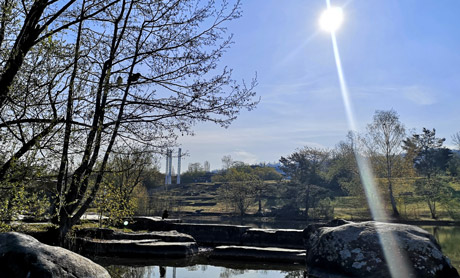
Zurich’s riverbanks are being reshaped—not by humans, but by beavers, whose return to the city brings both promise for biodiversity and friction with city life. In this post, students from the ...
Climate change in mountains has far-reaching impacts downstream
Mountains are the world’s “water towers” and disproportionally affected by climate change. Substantial research focuses on snow and glacier changes within mountains. A ...
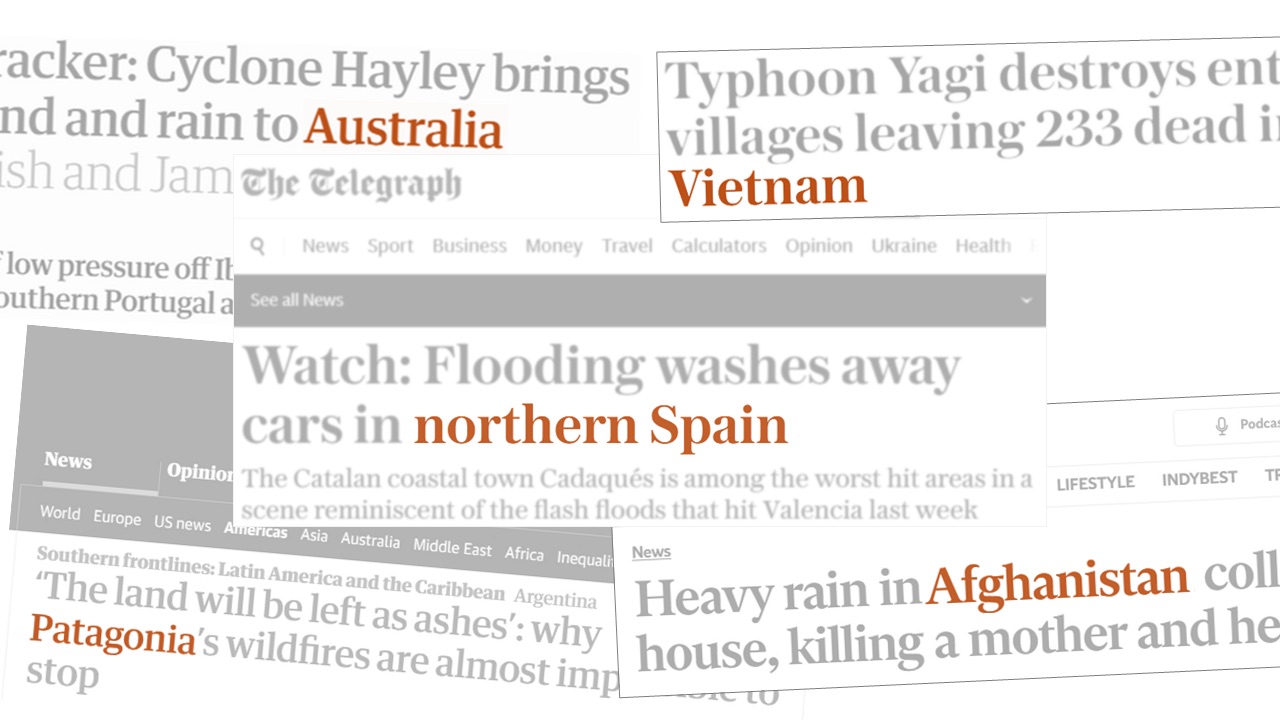
The hidden geography of climate news: media reporting correlates with wealth more than disaster events
Climate change and its impacts are global pressing issues, but not all climate disasters receive equal attention in the media. A recent study systematically analyzes reporting by British ...
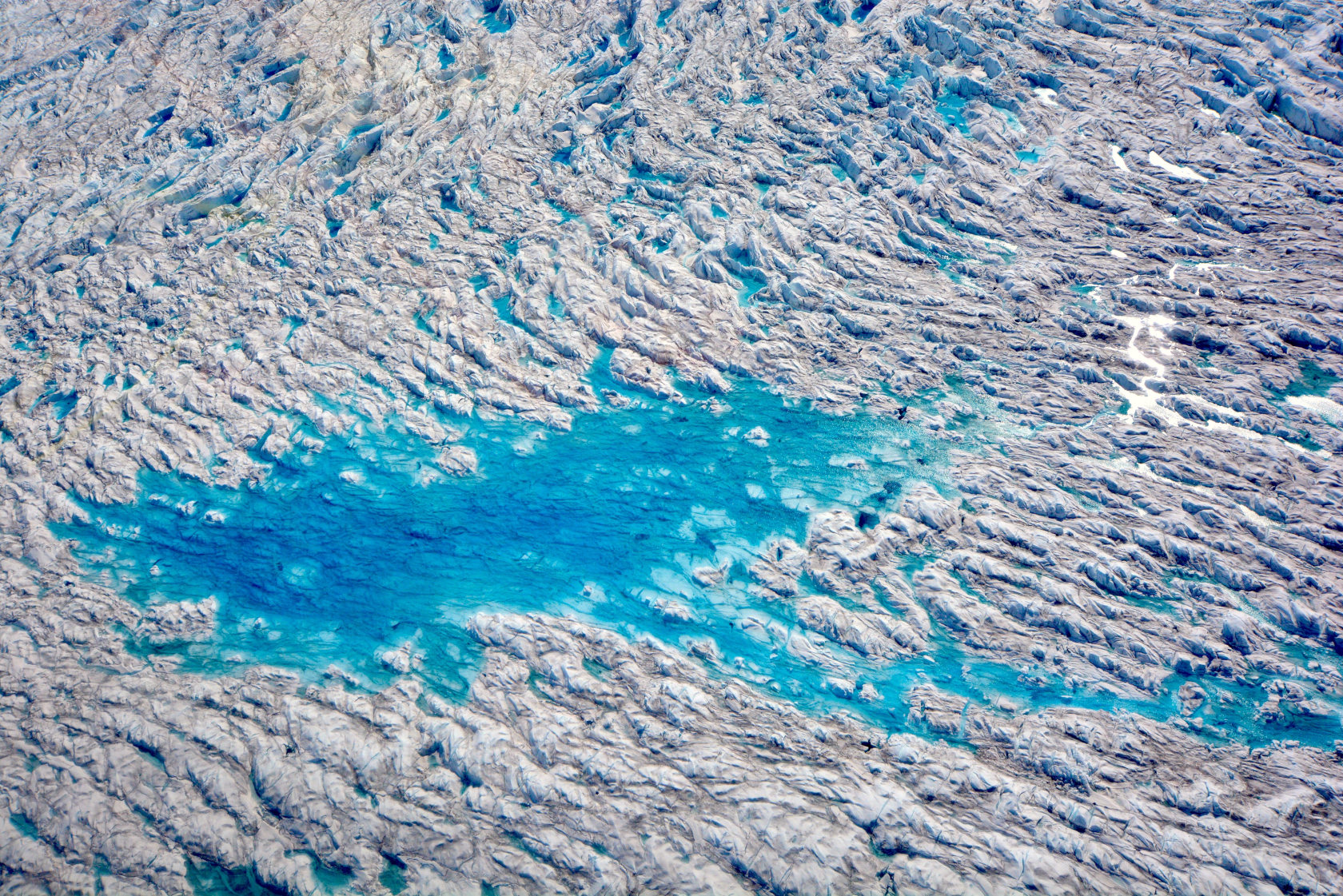
#GIUZ #ImageOfTheWeek
At Greenland’s fastest glacier, Sermeq Kujalleq, sudden drainage of a surface lake triggered a subglacial flood and speedup pulse, culminating in prolonged ...
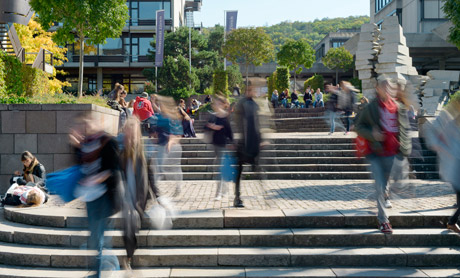
Reversed roles: when students become the excursion guides
For many students, excursions and field trips are among the most enjoyable and memorable parts of their studies, and may even be one of the reasons why they chose this subject. For us as teachers, ...
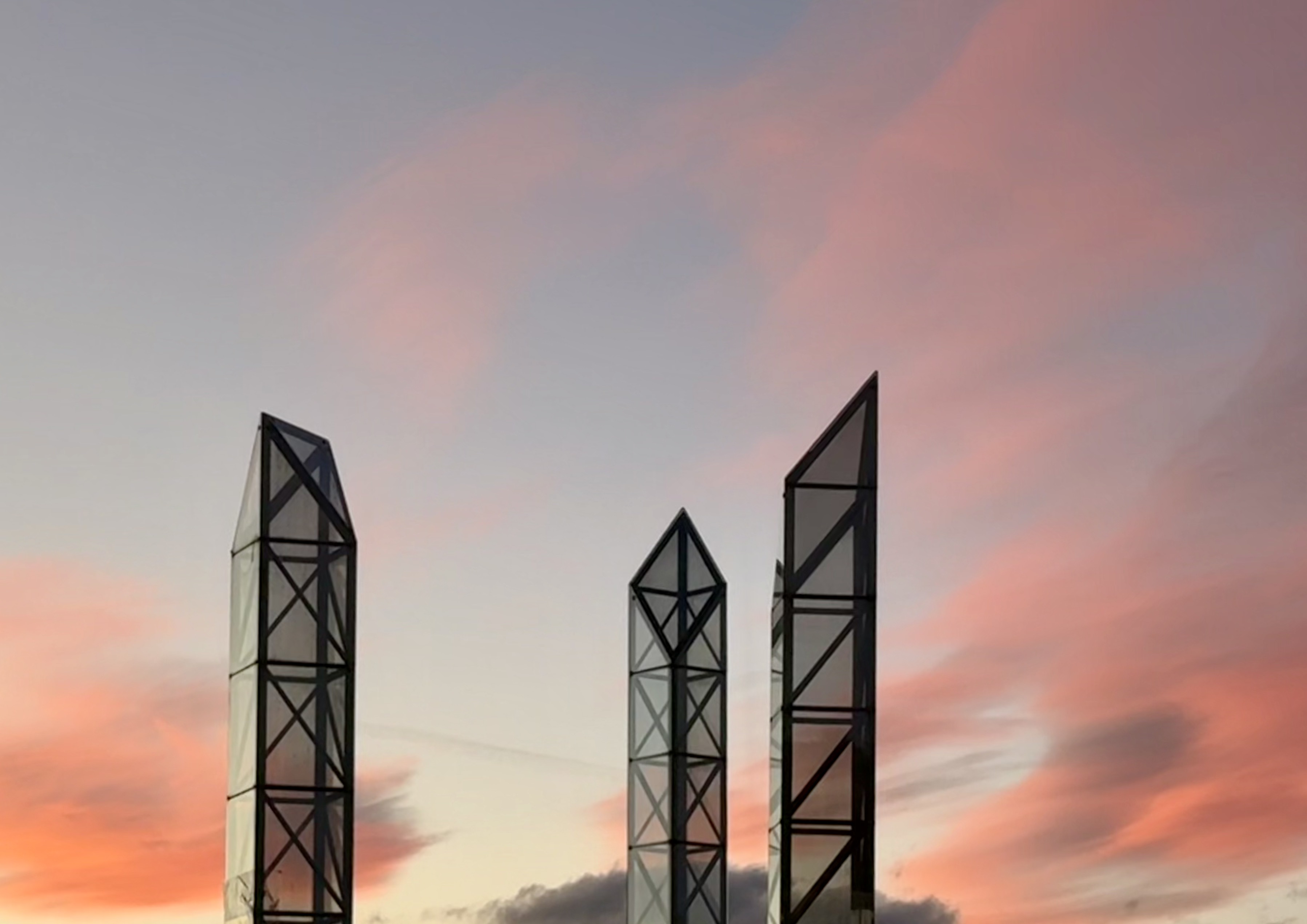
#GIUZ #ImageOfTheWeek
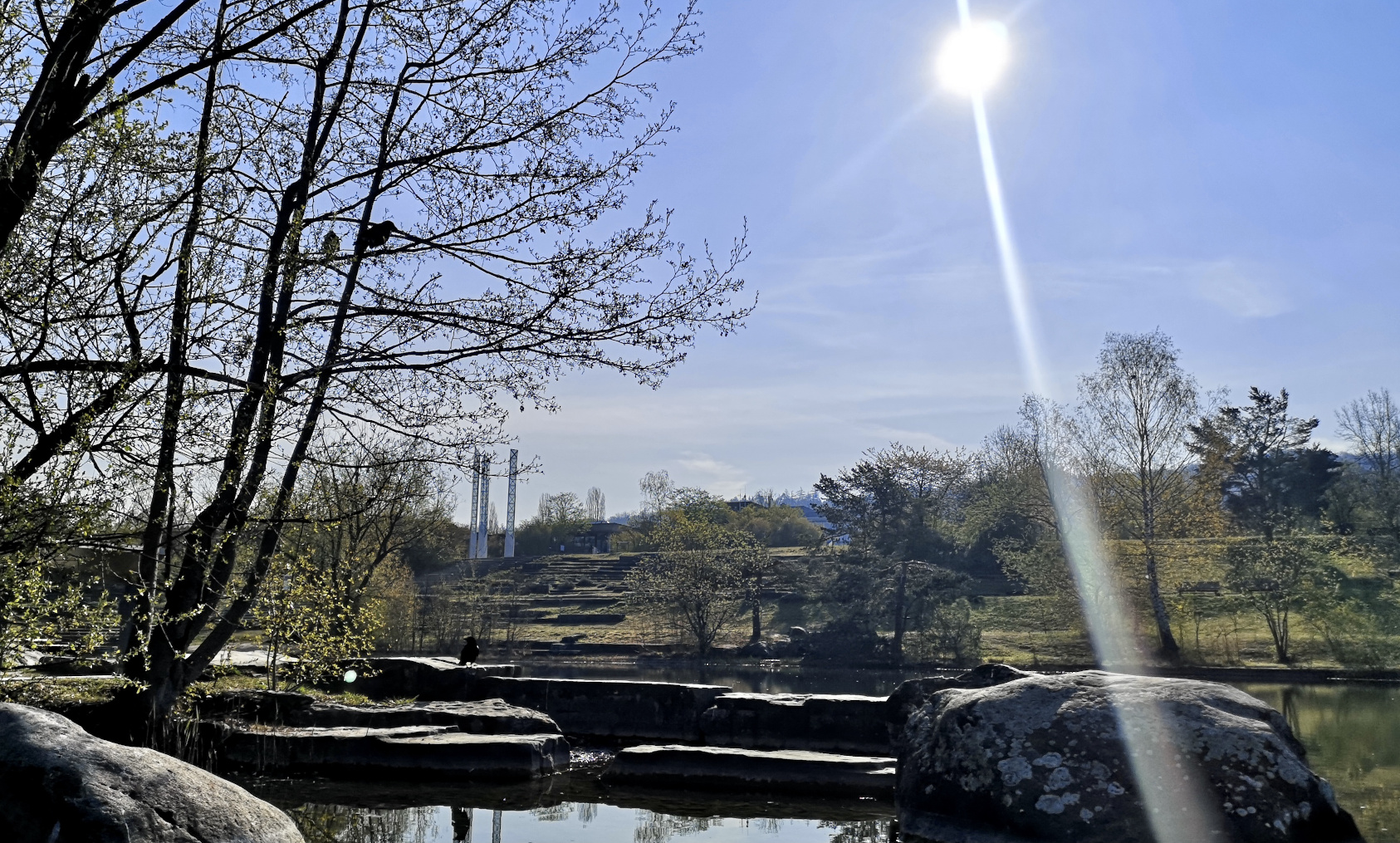
Located at a crossroads of many footpaths in the Irchel park, the sun needles radiate like crystals from the bridgehead into the surrounding landscape, pointing the ...
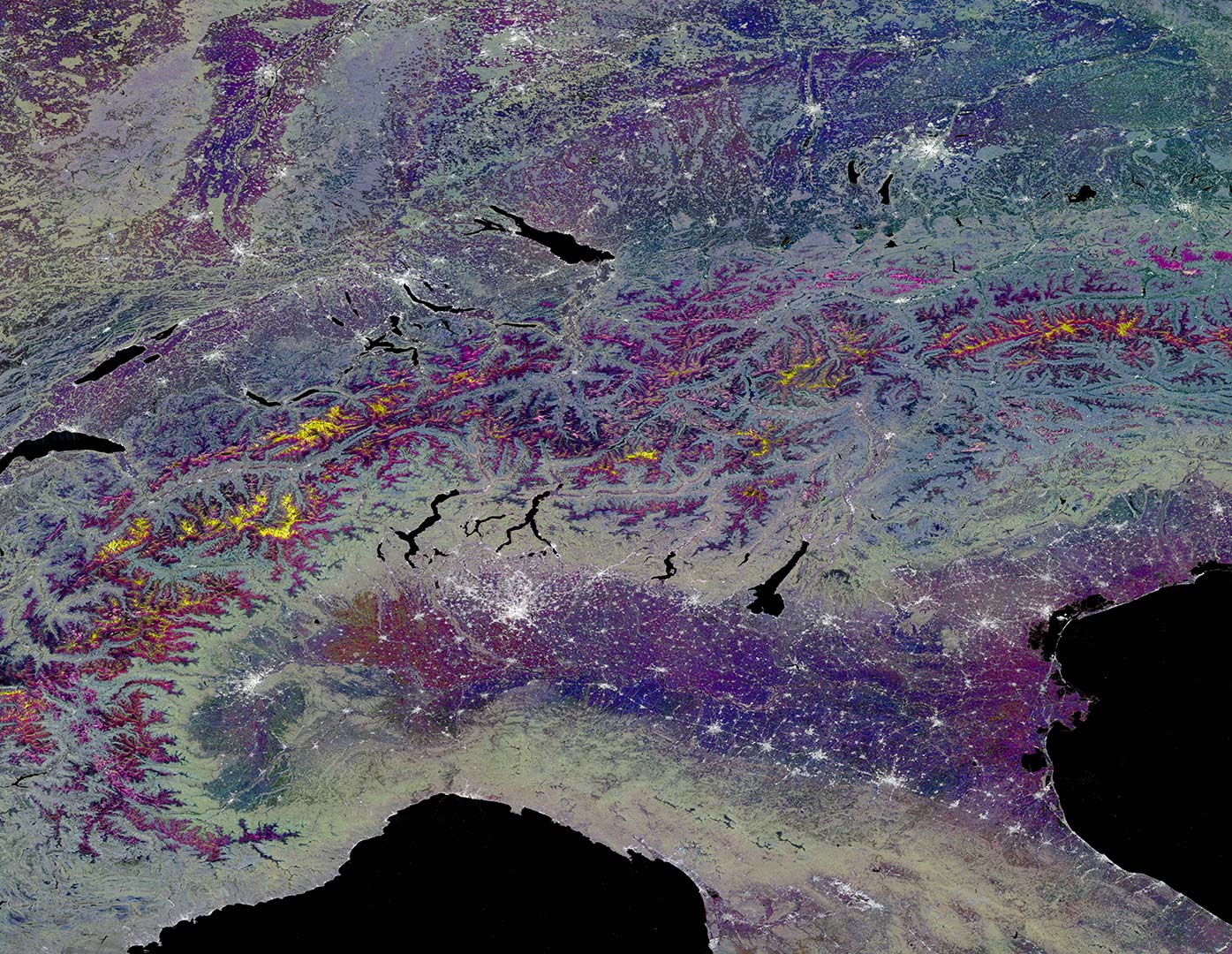
In clear skies, optical satellite images reveal where snow lies. Researchers at the University of Zurich’s Department of Geography use radar sensors to gather additional information about ...
From research paper to classroom: Making glacier science accessible
Latest research on measuring the melting of glaciers has been transformed into an engaging article for teens, making climate science accessible and inspiring for young minds. It is now available ...
Uneven illumination and the infrastructure politics of light masterplanning
Nocturnal illumination is both a hallmark and a driving force of global urbanisation—and increasingly an urgent environmental concern. Light infrastructures stretch the frontiers of economic and ...
Interdisziplinär, praxisnah, inspirierend: Wie GEO110 den Studienstart bereichert
Im Modul GEO110 – Schweiz 2040 setzen sich unsere Erstsemestrigen mit zentralen Fragen zu Erde und Gesellschaft im Wandel auseinander. Das Modul verbindet Humangeographie, Physische Geographie ...
Beech trees in a changing climate: A new genetic diversity experiment takes root at Irchel Campus
The European beech is a key species in Swiss and European forests. However, due to the increasingly hotter and drier climate, it is facing a growing threat from drought. To study its resilience, ...
SNSF Starting Grants 2026: Call to identify and offer support to selected candidates
The Department of Geography is pleased to support candidates for the SNSF Starting Grants 2026. We are particularly interested in candidates whose proposed research matches GIUZ’s ...
Making power visible to enable deep societal transformation
How can we transition from knowing about the most pressing challenges of our time—climate change, biodiversity loss, and social inequality—to achieving tangible, lasting transformation? What is ...
Natural hazards such as avalanches and flooding are likely to become more frequent in Switzerland. UZH geographers are working to improve predictions of where they could occur and what the ...
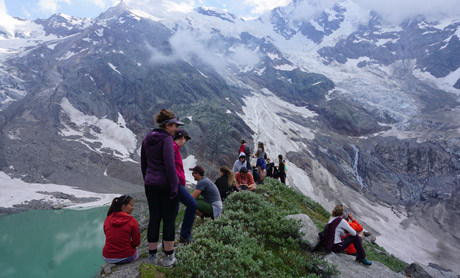
Students visited the Oberaar Glacier as part of the course GEO851 to measure its surface mass balance, meaning accumulation and ablation. Challenging weather conditions, hard work to drill holes ...
For many people, finding an apartment in Zurich has become a living nightmare. Extremely low vacancy rates, mass evictions and rising construction costs are exacerbating the situation. ...
«Blatten könnte ein Modellfall werden – auch international»
Eine neue Gefahrenkarte bietet einen Blick in die Zukunft im Lötschental. Sie zeigt, wo künftig gebaut werden darf – und wo nicht. Christian Huggel sagt im Interview, dass der ...
«Geographies of Celebration»: EGEA Jahreskongress 2025
Wie beeinflussen Grossveranstaltungen unsere Städte, Landschaften und Gesellschaften – und welche Chancen können sie bieten? Diese Fragen standen im Zentrum des Jahreskongresses der European ...
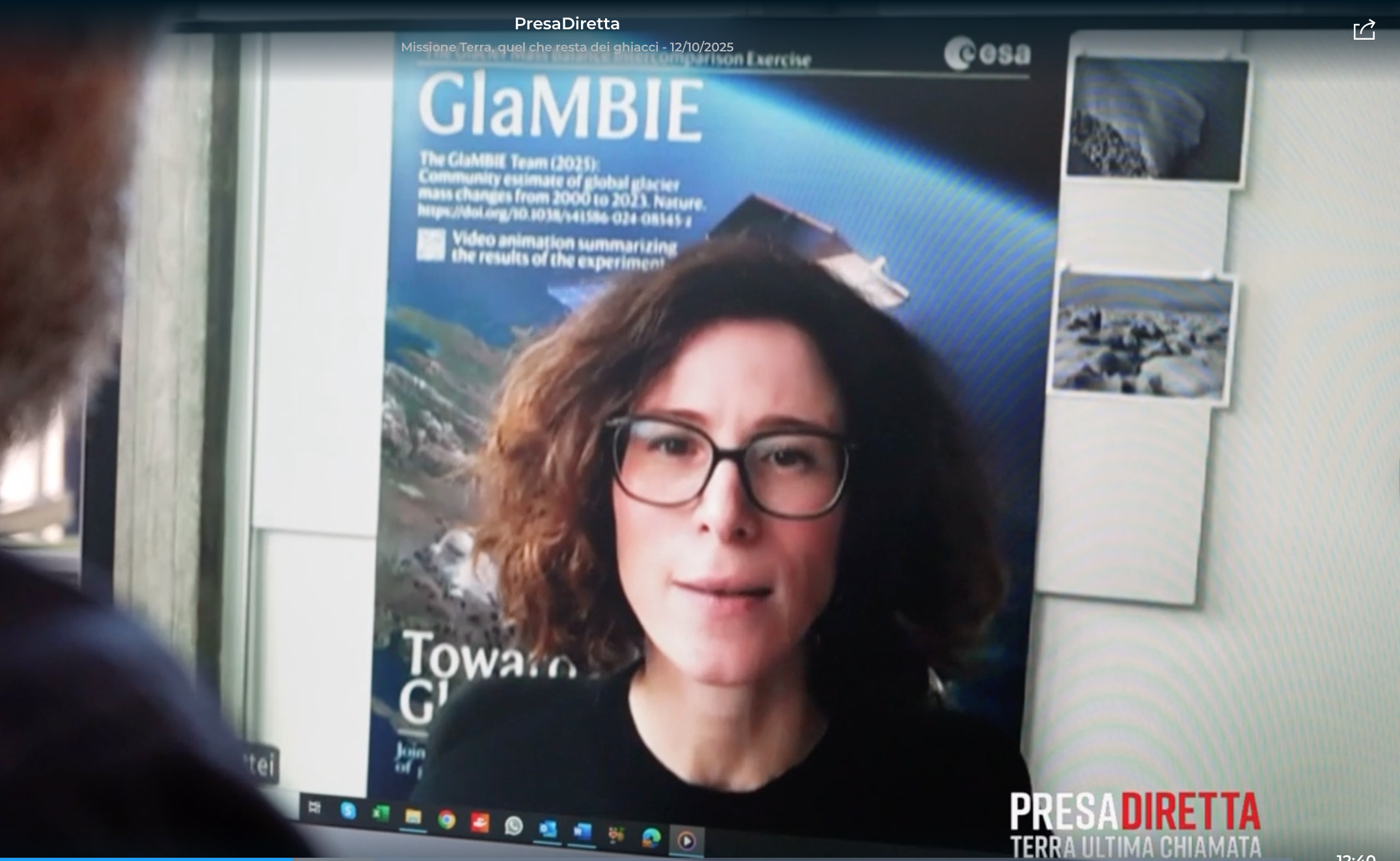
The project GlaMBIE (Glacier Mass Balance Intercomparison Exercise) explores how satellite observations are used to monitor over 275,000 glaciers worldwide. Livia Piermattei, Professor for ...
23.2.2026, 13:30: MSc Exam | Alessandro Joshua Pierro: Evaluating Navigation Behavior in Urban Heat: A VR-Based Study on Pedestrian Spatial Learning and Thermal Comfort
24.2.2026, 09:00: MSc Exam | Nathalie Nitsingam: Evaluating the Suitability of Spectral Indices and Functional Diversity Metrics for Biodiversity Monitoring in West Kalimantan, Borneo
24.2.2026, 12:30: MSc Exam | Johann Christian Jung: Predictive Slum Mapping: The Global Program of Resilient Housing and the World Bank’s Experimentation with Geospatial Technologies